AI Psycologist
In development
About project
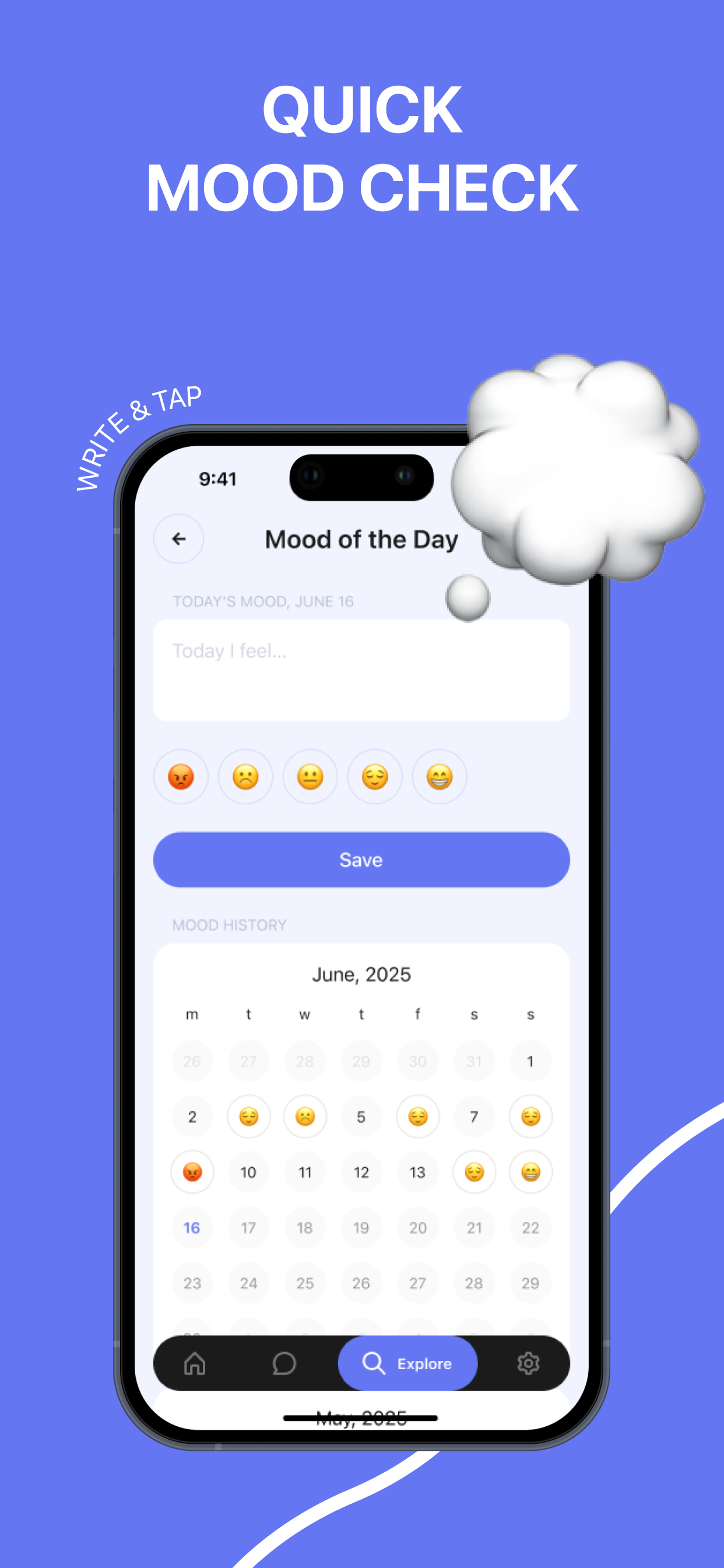
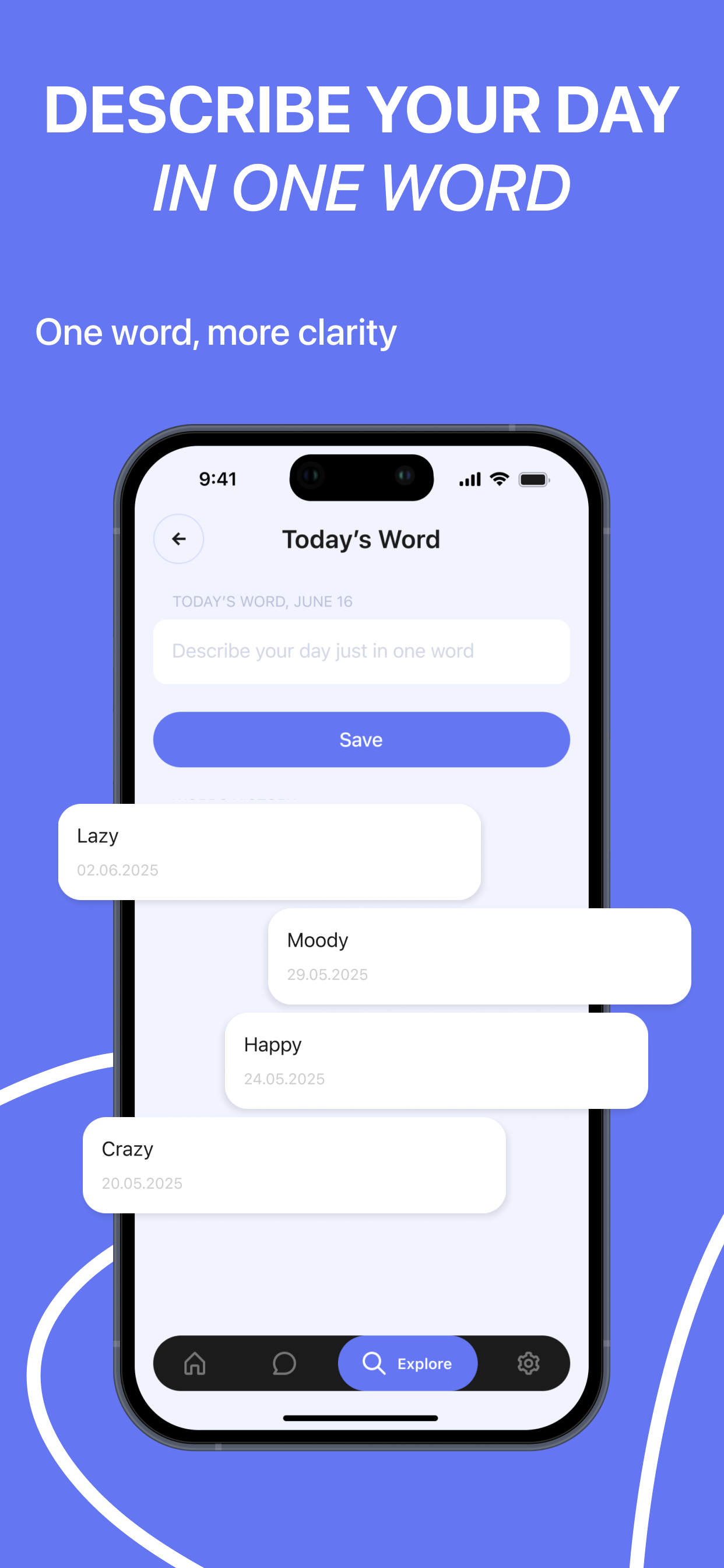
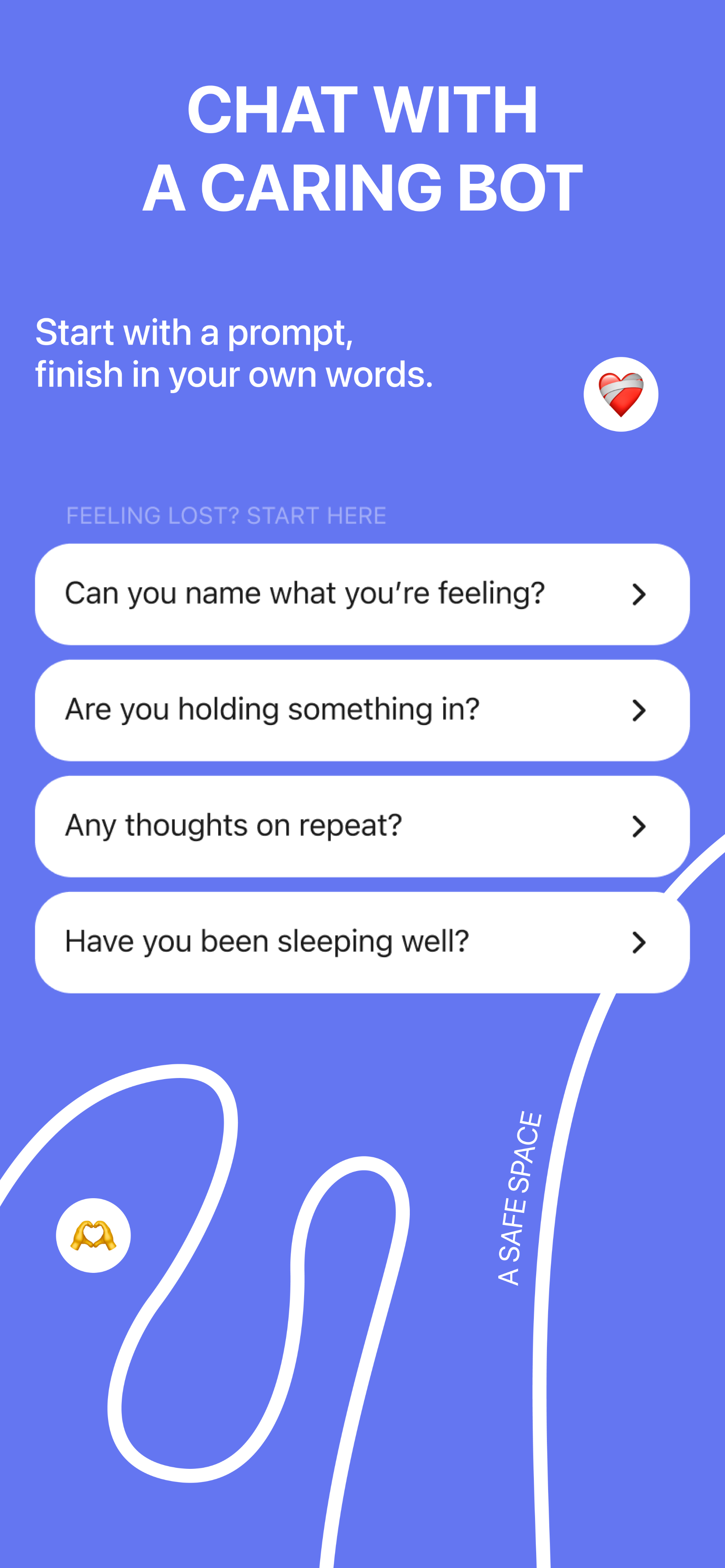
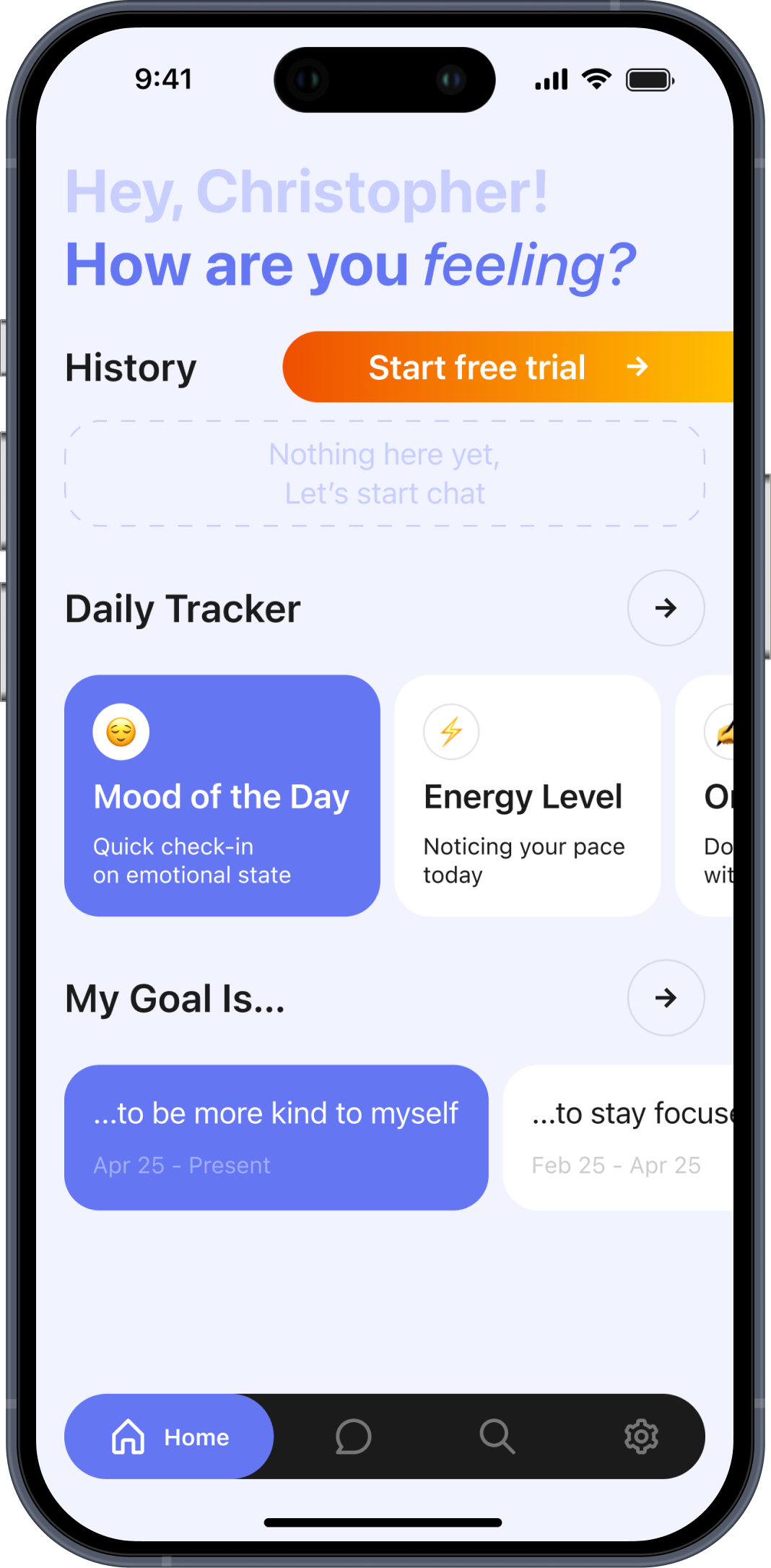
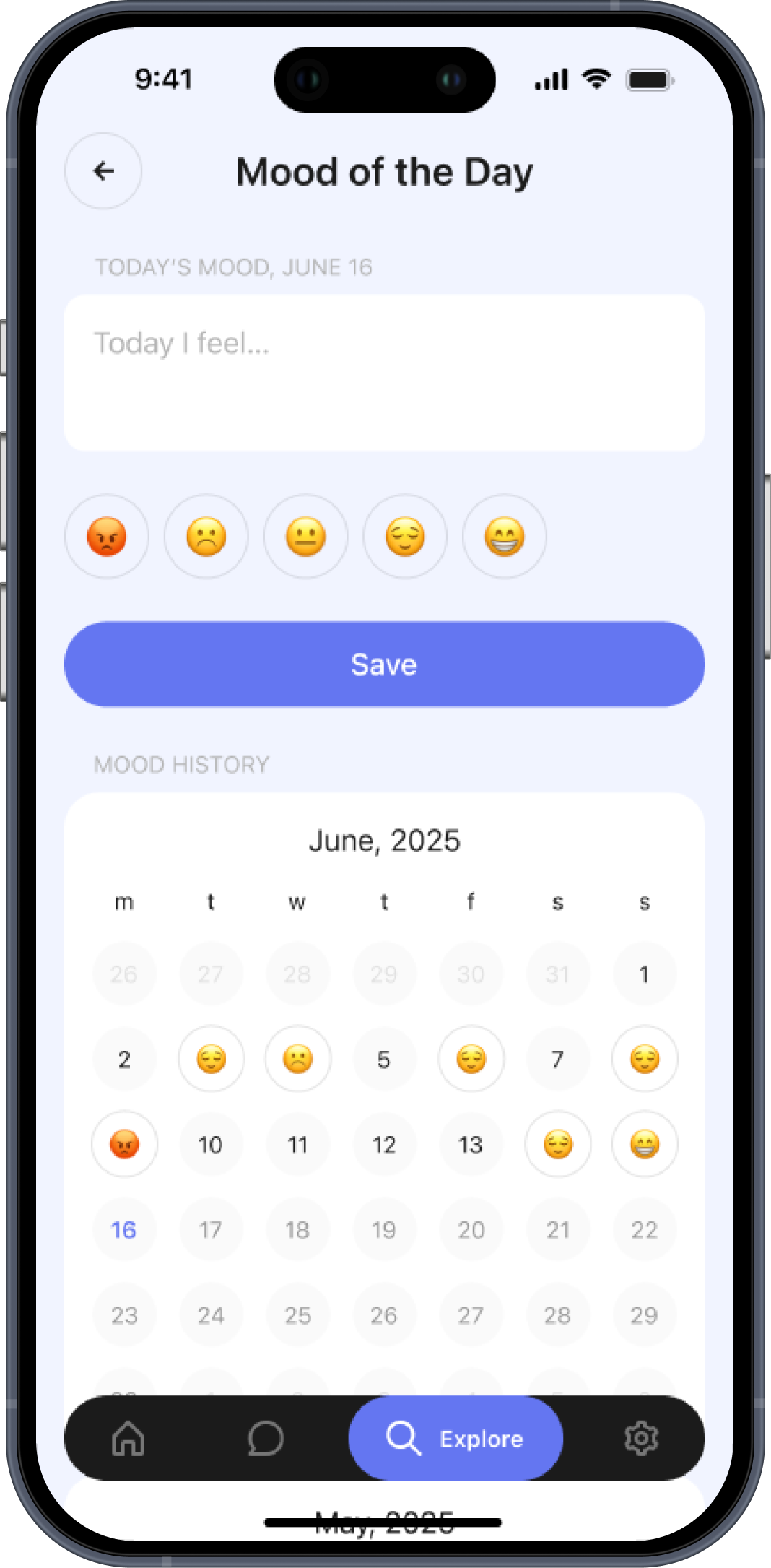
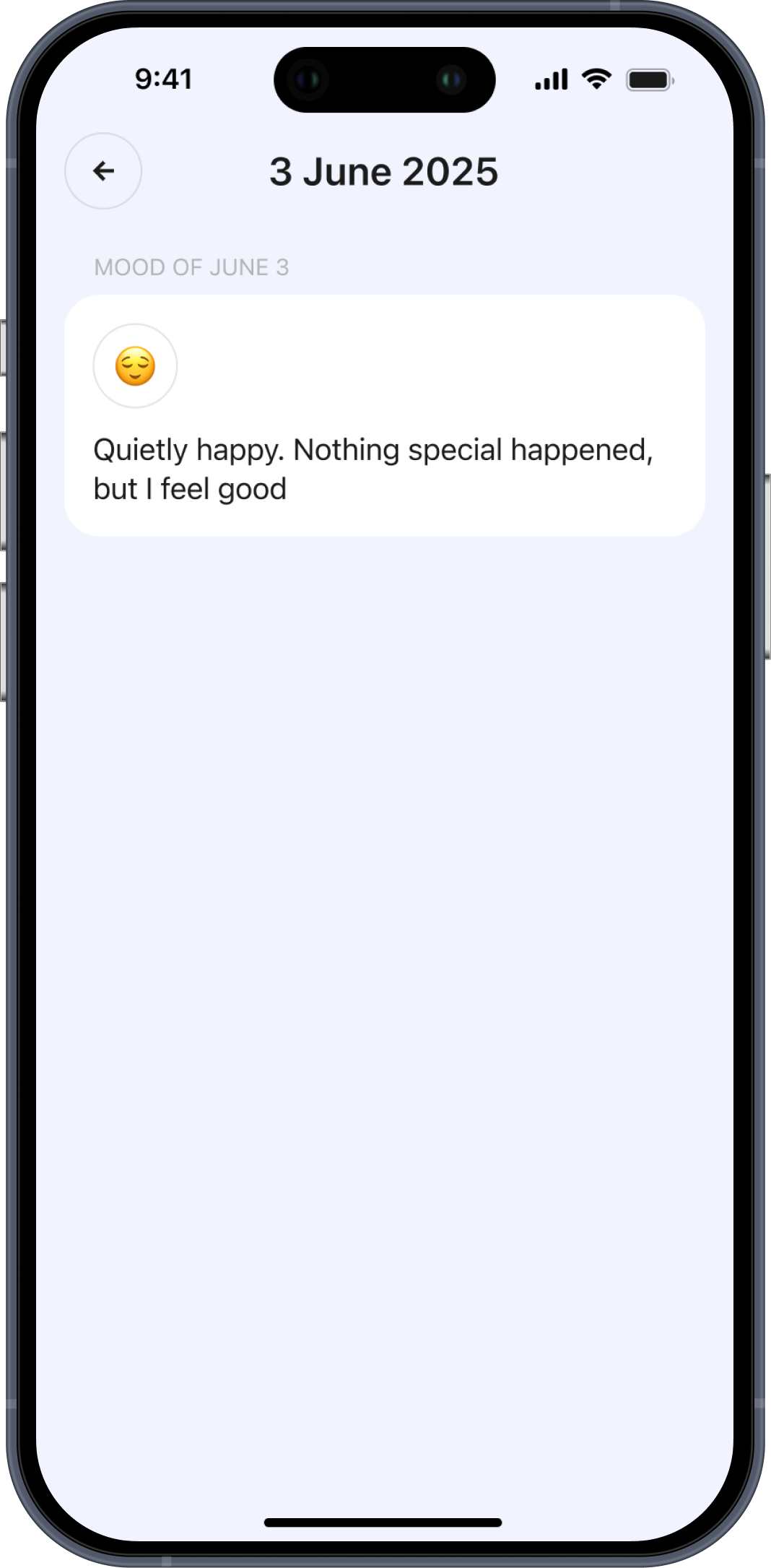
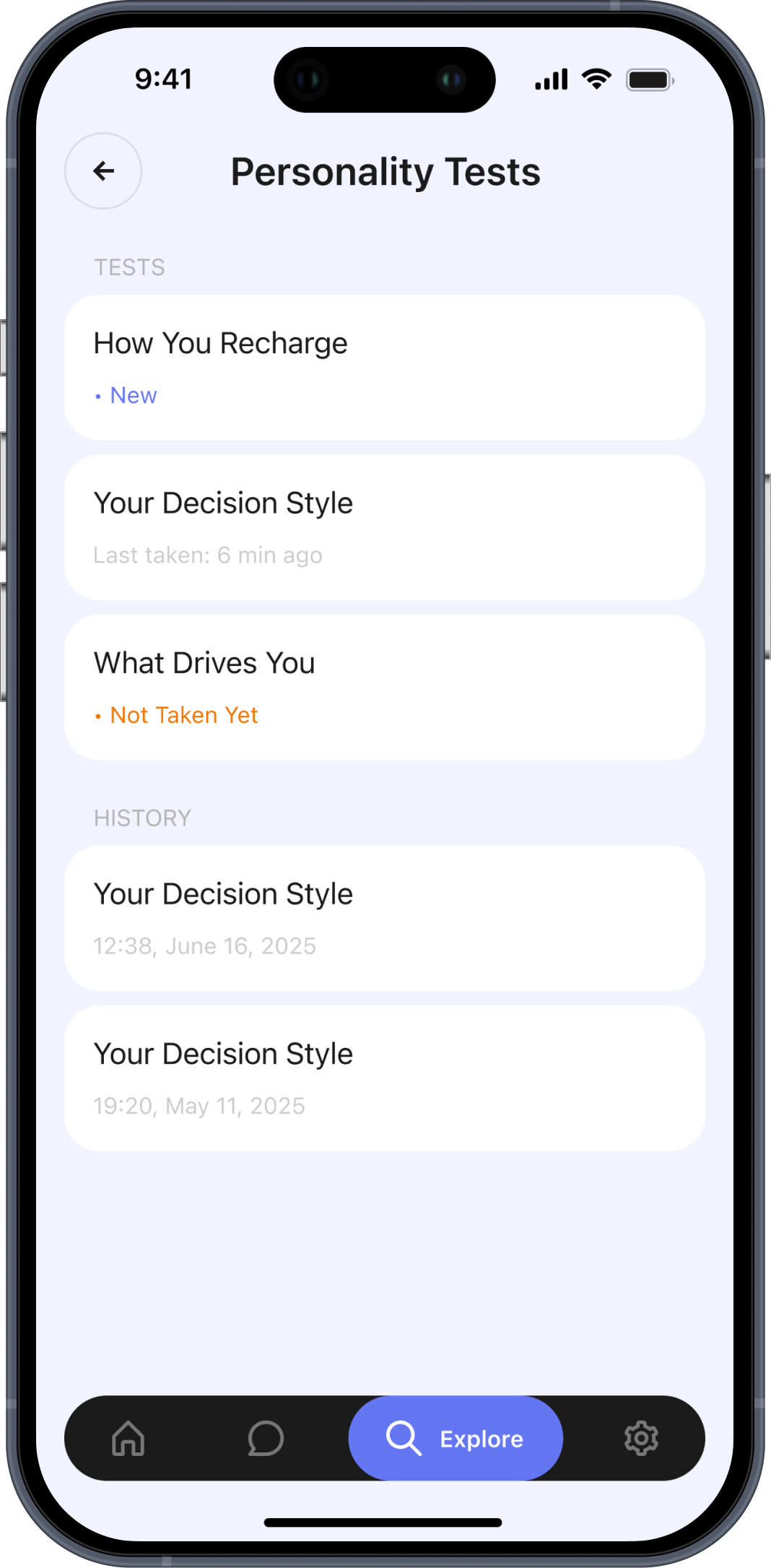
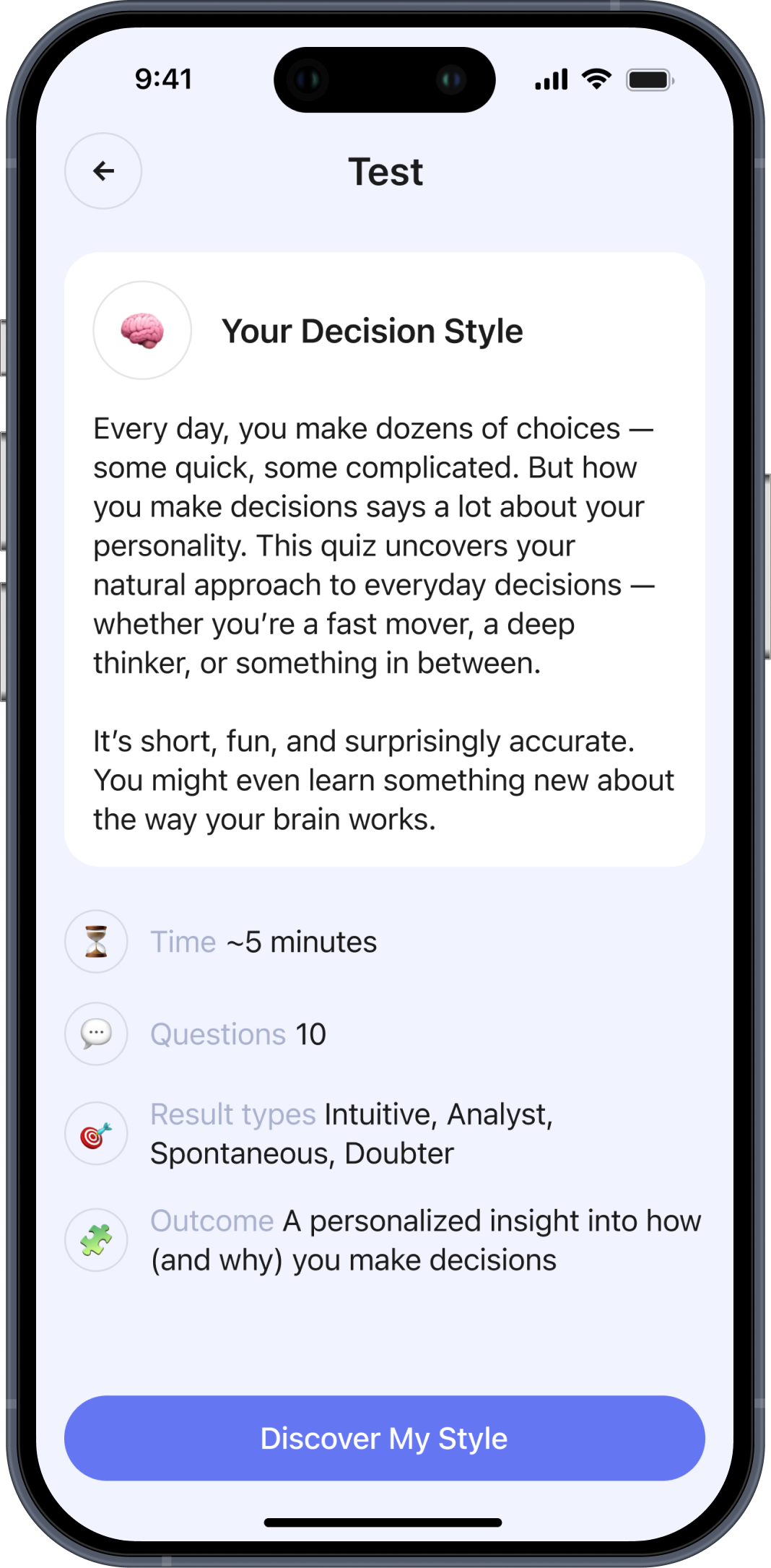
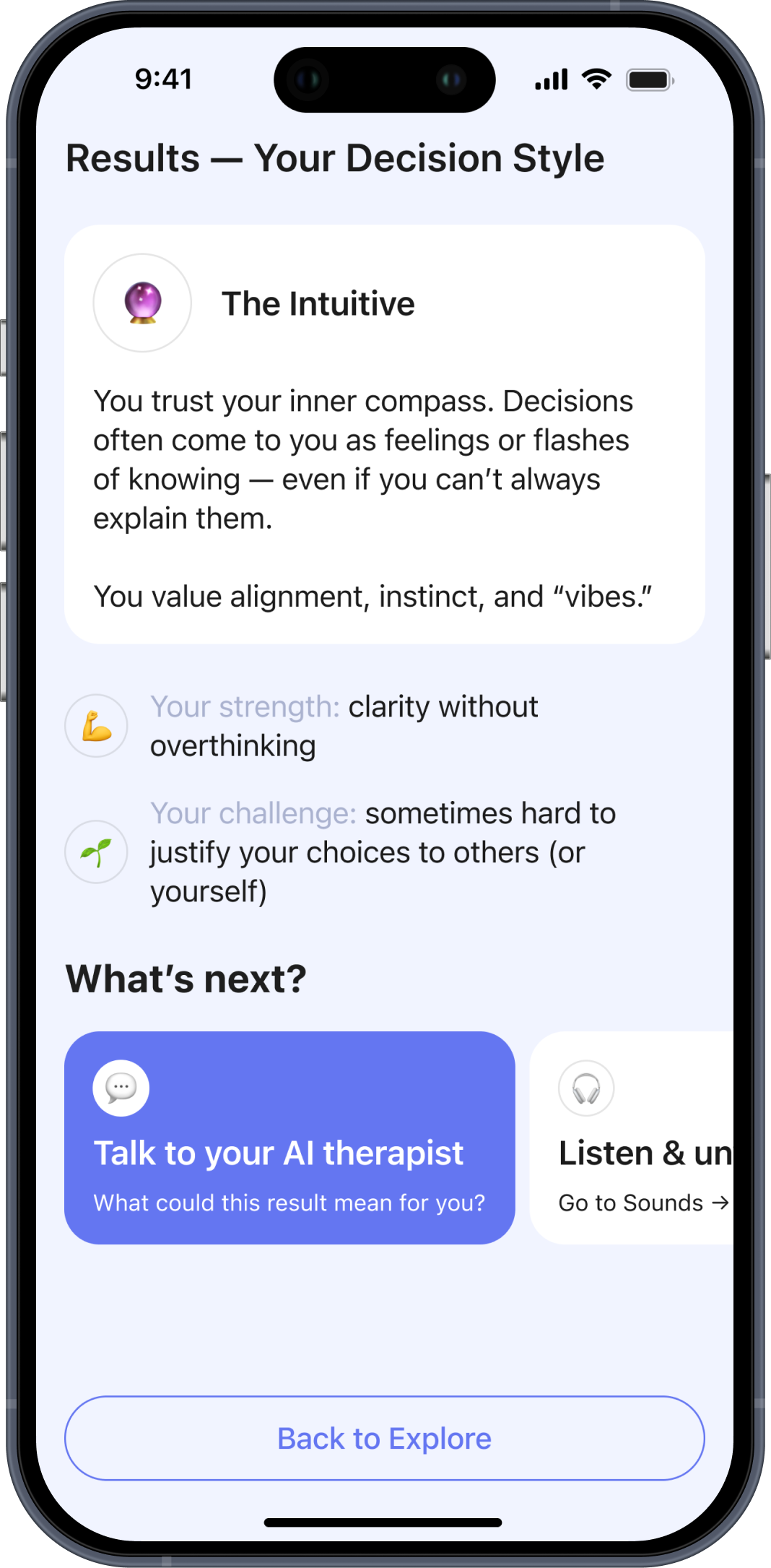
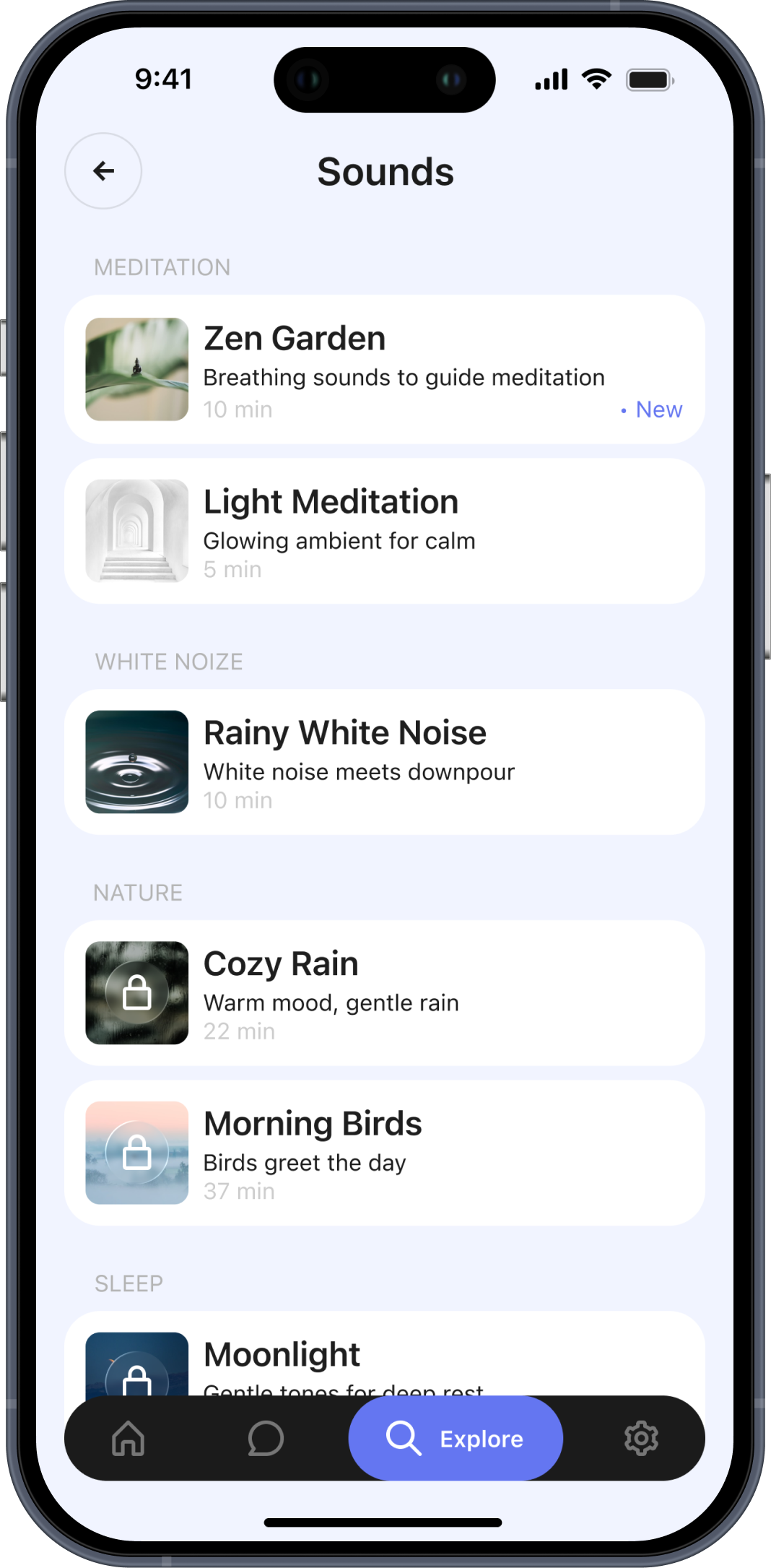
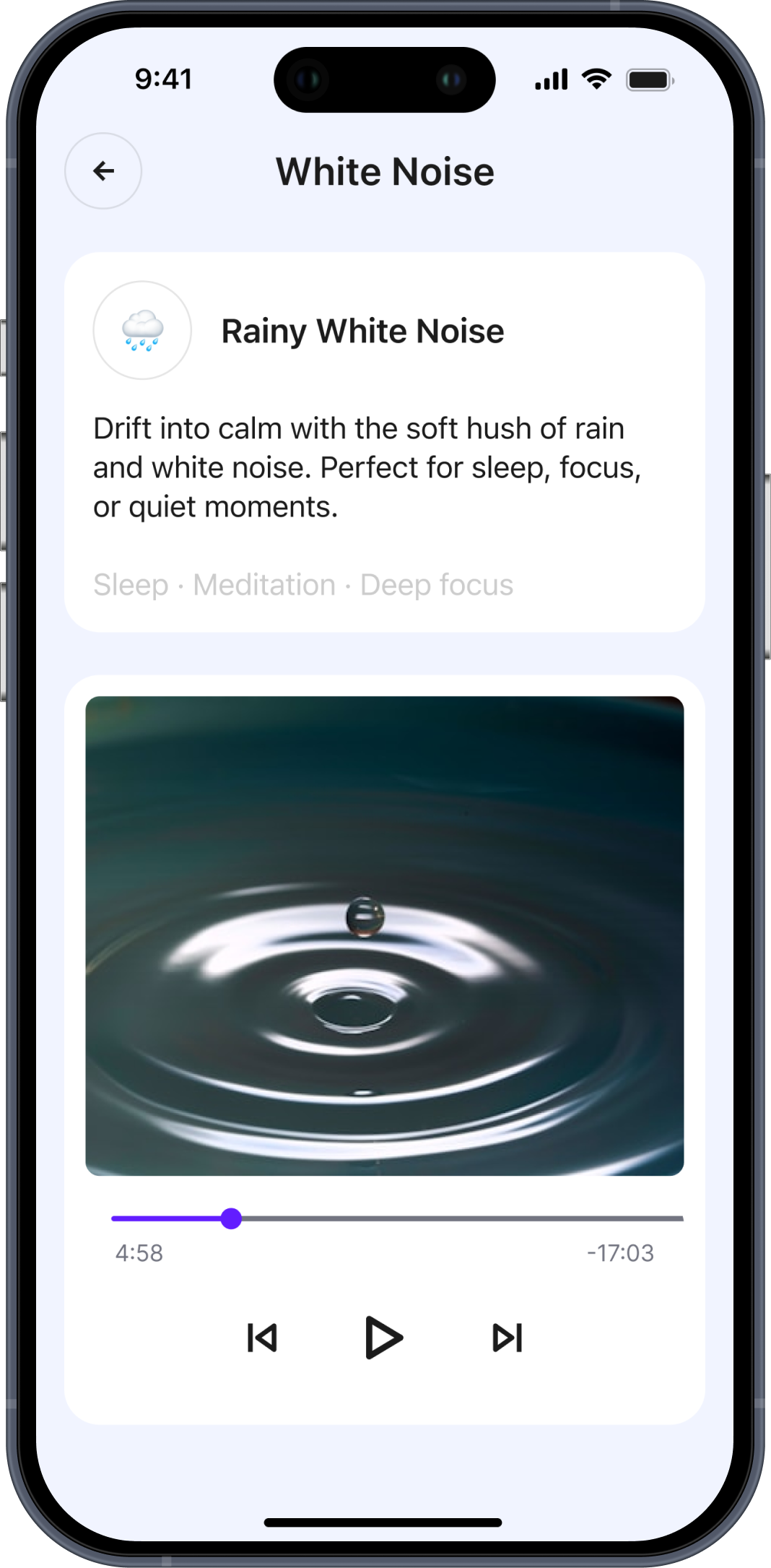
This MVP introduces a gentle AI-supported companion for everyday emotional wellbeing. It includes an AI chat, mood and energy tracking, short tests, calming sounds, and simple goals — all designed to help users understand themselves better.
The app is not a replacement for therapy. It offers light, supportive guidance for day-to-day emotional balance.
Business Goals
- Validate demand for an AI-supported mental wellbeing tool.
- Create a scalable premium model with advanced AI personalization.
- Provide fast support for high-pressure urban life, without replacing therapy.
Responsibilities
Research
Prototyping
Hypothesis building
Wireframes
UX/UI Design
AI-integration logic
Usability Testing with users
competitive Analysis

Reviewed apps

Wysa

Earkick

Stoic

Youper
Mello

Elomia
Common issues
- UI often feels slightly busy — users need more clarity and calm.
- Tone is either too clinical or too gamified — missing gentle warmth.
- Some apps imply they replace therapy, which can mislead users.
Opportunity
- Use soft micro-animations and subtle feedback.
- Guide users to real therapy when deeper issues arise.
- Keep tone warm, neutral, and reassuring.
- Provide clear, simple navigation for stressed users.
- Offer lightweight emotional rituals instead of strict tasks.
Target Audience


Eva, 29
Social Media Manager
I reflect on myself a lot, but sometimes it turns into anxiety.
I need a gentle form of support.

Julia, 32
HR Specialist
I’m so tired of being anxious.
I know I need help, but starting therapy feels scary.
I need a gentle first step.

Alex, 25
Barista
I want to pause and exhale. Not to be ‘fixed’, but to be supported.
I need a place where I can be honest with myself.
HYPOTHESES

Working hypothesis
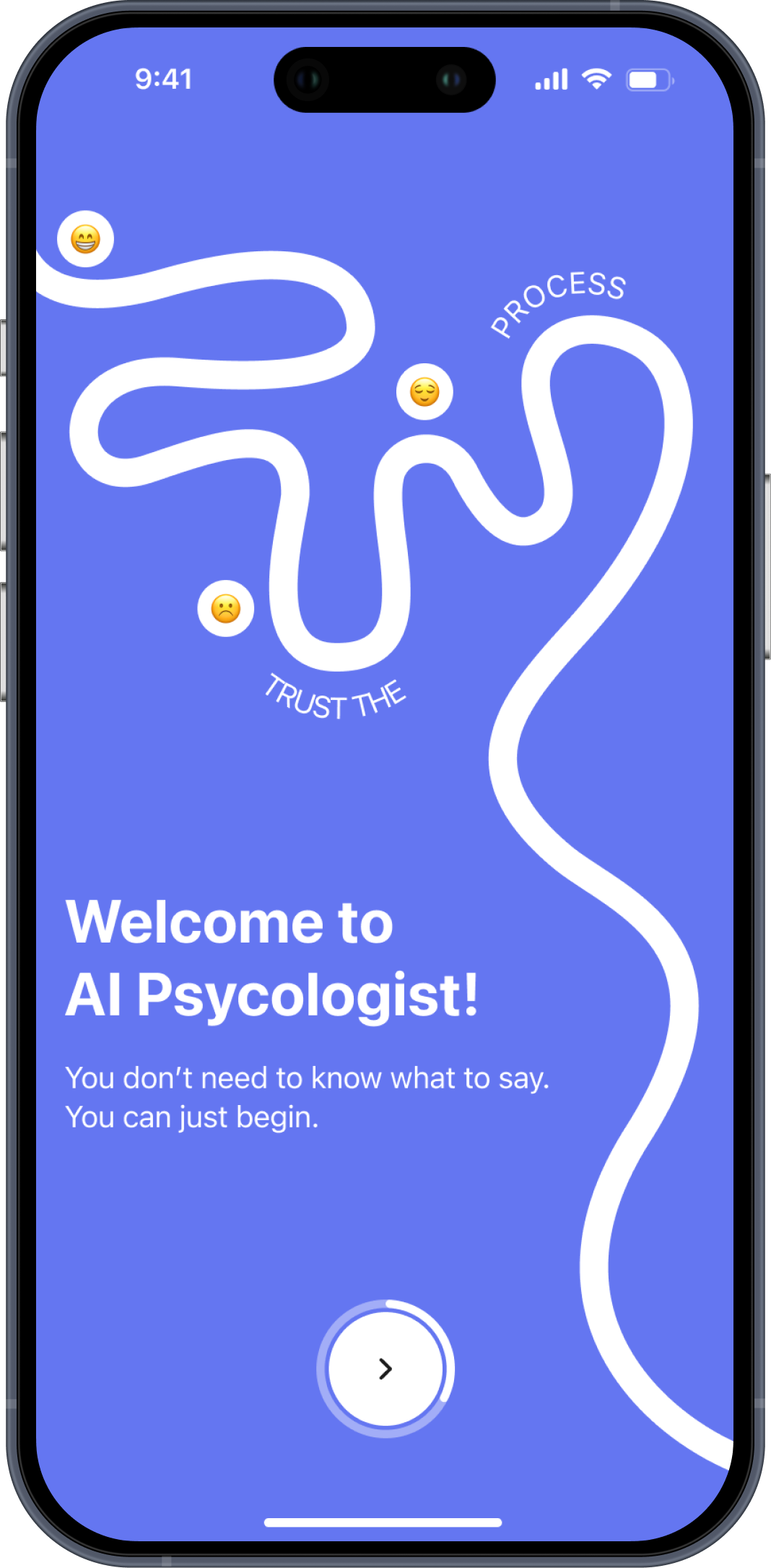
→ Soft onboarding reduces anxiety
If we use a gentle 3-step onboarding for first-time users, then the app will feel safer to enter and onboarding drop-off will decrease.
→ Сhat folders make the experience more emotionally supportive.
If we allow users to create separate chat folders then the app will feel more personal, so users will return more often.

→ Micro-rituals increase daily engagement
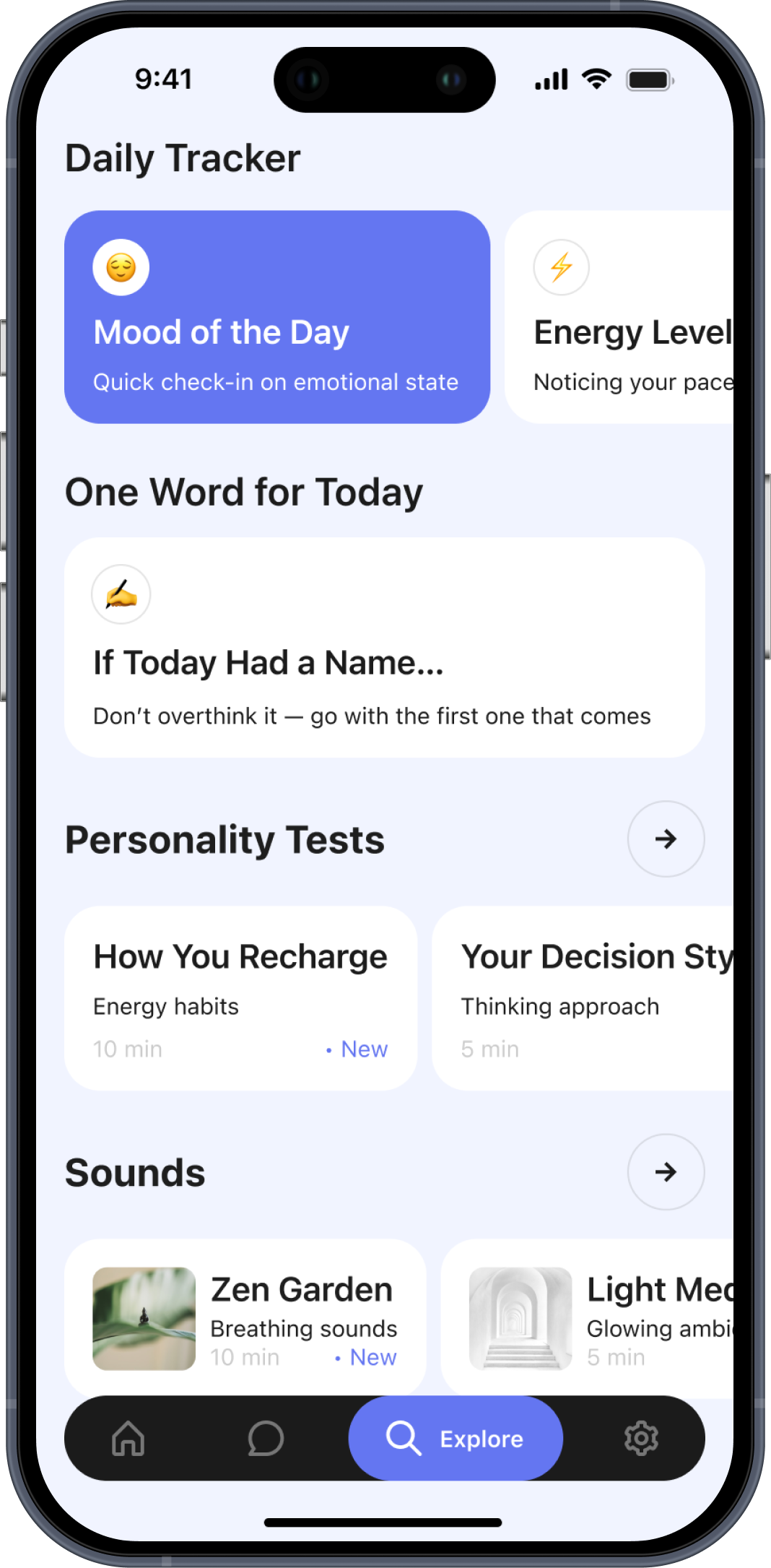
If we add tiny emotional rituals (quick check-ins, notes, short sounds), users will engage more consistently—even with low time or energy.
Non-working hypothesis
→ Motivational notifications increase retention
If we add motivational push notifications for stressed users, then retention will increase.
Messages added noise and felt intrusive during sensitive moments.
→ Longer emotional tests improve user insight
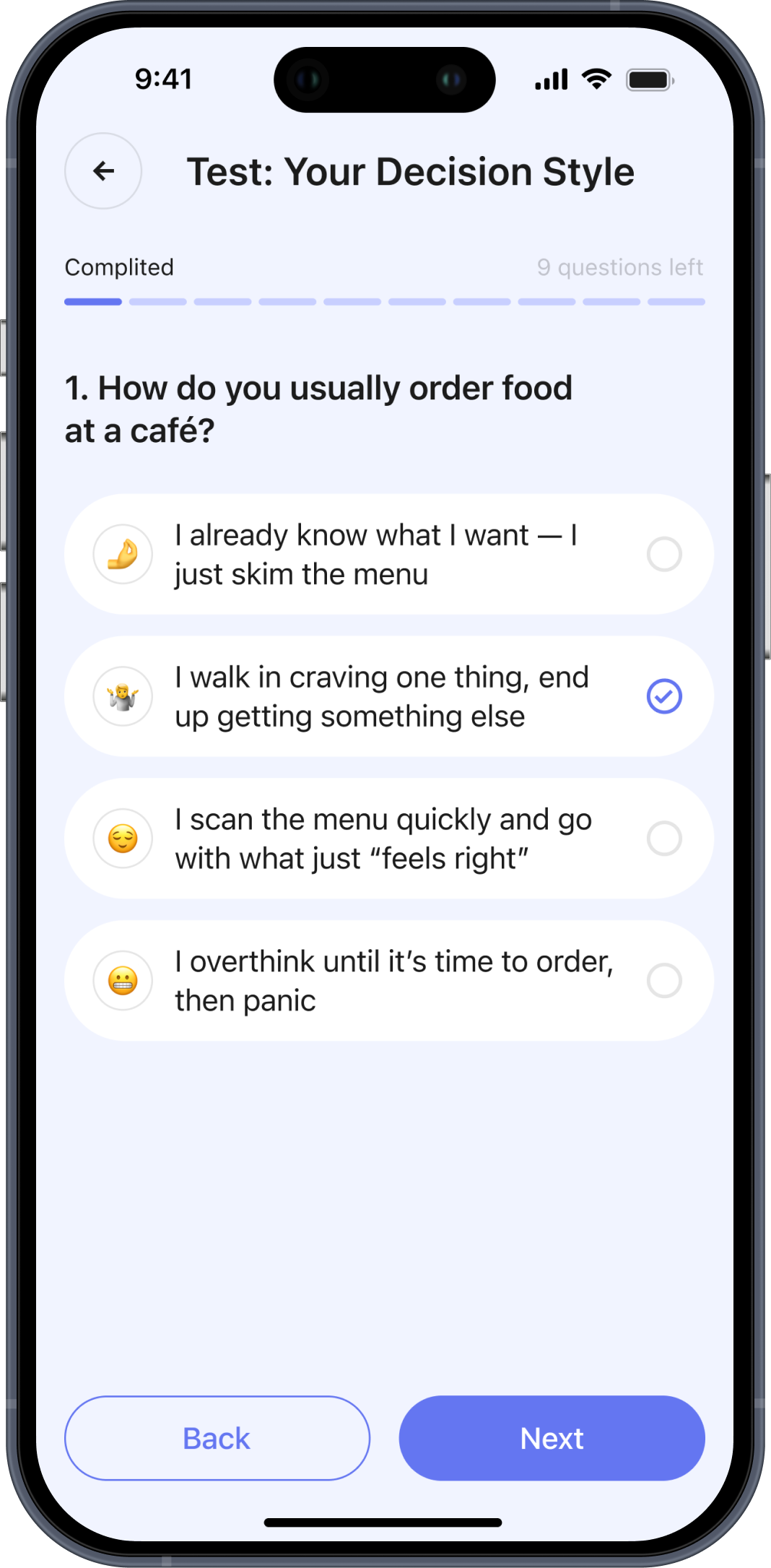
If we introduce longer tests for users seeking self-understanding, then they will feel more supported.
Users preferred short, lightweight formats.
Screens

AppStore Screens
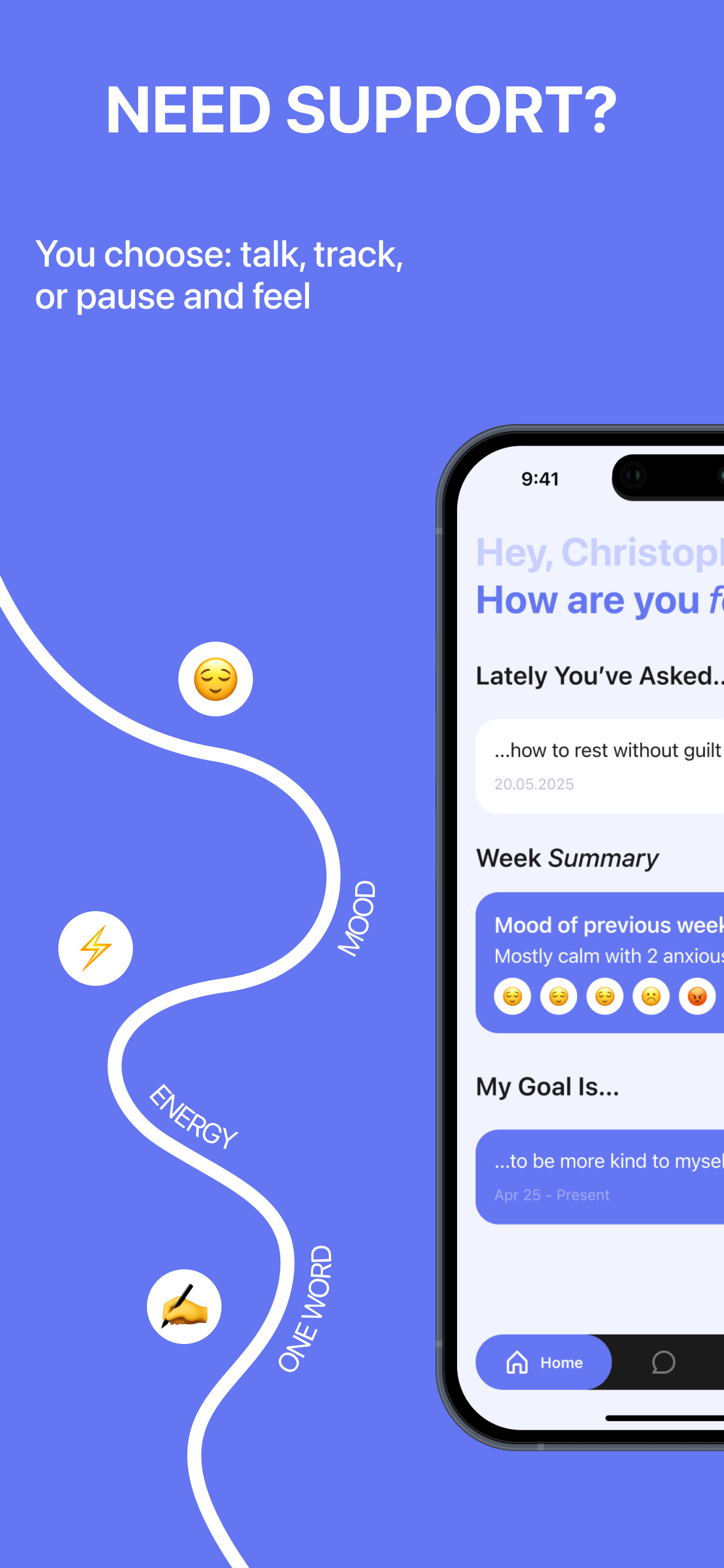


Mood of the day // Flow
Tests & Sounds
Outcome

The AI Psychologist app introduced a calm, structured mental-wellbeing experience built around tracking, reflection, and supportive AI conversations. The product’s soft UX tone, clear flows, and emotionally safe interactions made the MVP easy to navigate and approachable for users seeking everyday guidance. This foundation allows the product to grow while preserving the calm, emotionally reassuring UX that defines the experience.

Hope you enjoyed my portfolio —
thank you for taking the time! ❤️

Back
AI Psychologist
MVP
In development
About project
This MVP introduces a gentle AI-supported companion for everyday emotional wellbeing. It includes an AI chat, mood and energy tracking, short tests, calming sounds, and simple goals — all designed to help users understand themselves better.
The app is not a replacement for therapy. It offers light, supportive guidance for day-to-day emotional balance.
Business Goals
- Validate demand for an AI-supported mental wellbeing tool.
- Create a scalable premium model with advanced AI personalization.
- Provide fast support for high-pressure urban life, without replacing therapy.
Responsibilities
Research
Prototyping
Hypothesis building
Wireframes
UX/UI Design
AI-integration logic
Usability Testing with users
competitive Analysis

Reviewed apps
Wysa
Earkick
Stoic
Youper
Mello
Elomia
Common issues
- UI often feels slightly busy — users need more clarity and calm.
- Tone is either too clinical or too gamified — missing gentle warmth.
- Some apps imply they replace therapy, which can mislead users.
Opportunity
- Use soft micro-animations and subtle feedback.
- Guide users to real therapy when deeper issues arise.
- Keep tone warm, neutral, and reassuring.
- Provide clear, simple navigation for stressed users.
- Offer lightweight emotional rituals instead of strict tasks.
Target Audience

Eva, 29
Social Media Manager
I reflect on myself a lot, but sometimes it turns into anxiety.
I need a gentle form of support.
Julia, 32
HR Specialist
I’m so tired of being anxious.
I know I need help, but starting therapy feels scary.
I need a gentle first step.
Alex, 25
Barista
I want to pause and exhale. Not to be ‘fixed’, but to be supported.
I need a place where I can be honest with myself.
HYPOTHESES

Working hypothesis
→ Soft onboarding reduces anxiety
If we use a gentle 3-step onboarding for first-time users, then the app will feel safer to enter and onboarding drop-off will decrease.
→ Сhat folders make the experience more emotionally supportive.
If we allow users to create separate chat folders then the app will feel more personal, so users will return more often.
→ Micro-rituals increase daily engagement
If we add tiny emotional rituals (quick check-ins, notes, short sounds), users will engage more consistently—even with low time or energy.
Non-working hypothesis
→ Motivational notifications increase retention
If we add motivational push notifications for stressed users, then retention will increase.

Messages added noise and felt intrusive during sensitive moments.
→ Longer emotional tests improve user insight
If we introduce longer tests for users seeking self-understanding, then they will feel more supported.
Users preferred short, lightweight formats.
Screens

AppStore Screens
Mood of the day // Flow
Tests & Sounds
Outcome

The AI Psychologist app introduced a calm, structured mental-wellbeing experience built around tracking, reflection, and supportive AI conversations. The product’s soft UX tone, clear flows, and emotionally safe interactions made the MVP easy to navigate and approachable for users seeking everyday guidance. This foundation allows the product to grow while preserving the calm, emotionally reassuring UX that defines the experience.

Hope you enjoyed my portfolio — thank you for taking the time! ❤️